Saying “Yes”: How Bridge-Building Opened Doors for Regional Leaders to Confront Antisemitism

Written by Rabbi Jason Levine
June 17, 2026

Today, ensuring a vibrant and thriving Jewish community requires Jewish institutions to educate leaders within and beyond our community on Jewish identity and antisemitism. For Jews, it provides a vital knowledge base to move through the world, and for non-Jews, this is a critical first step to allyship and support. But it takes hard work and bridge-building to make training possible.

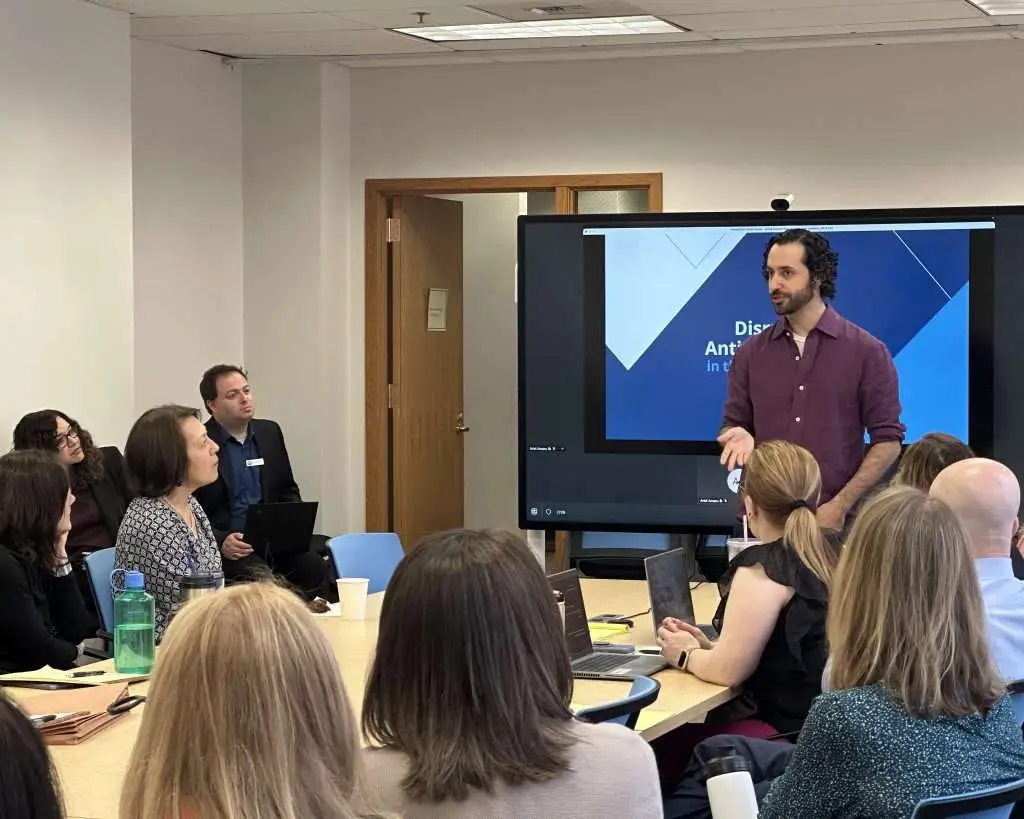
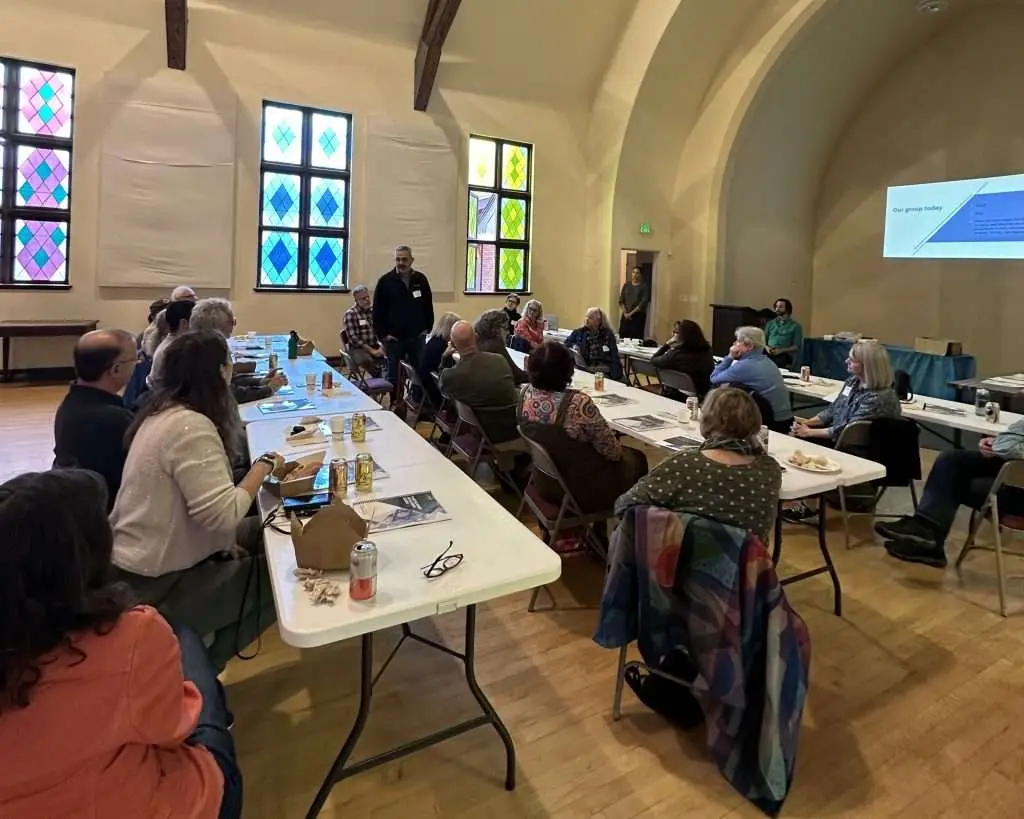
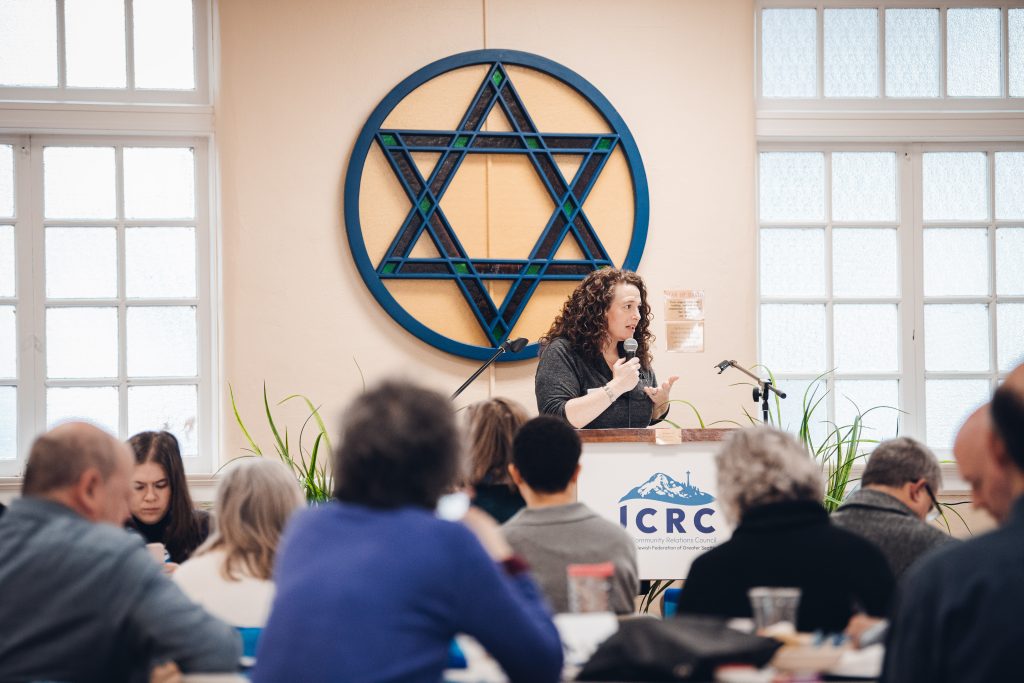
The Federation’s Jewish Community Relations Council (JCRC) takes this charge seriously. In the last 12 months, we’ve facilitated training on antisemitism and Jewish identity for nearly 1,000 community leaders and students. This past month, the JCRC, in partnership with Project Shema, hosted three trainings on antisemitism and anti-Jewish harm for over 65 key leaders across our region. Project Shema is a national organization dedicated to training Jewish communities and non-Jewish allies on how to understand and address contemporary anti-Jewish bias.

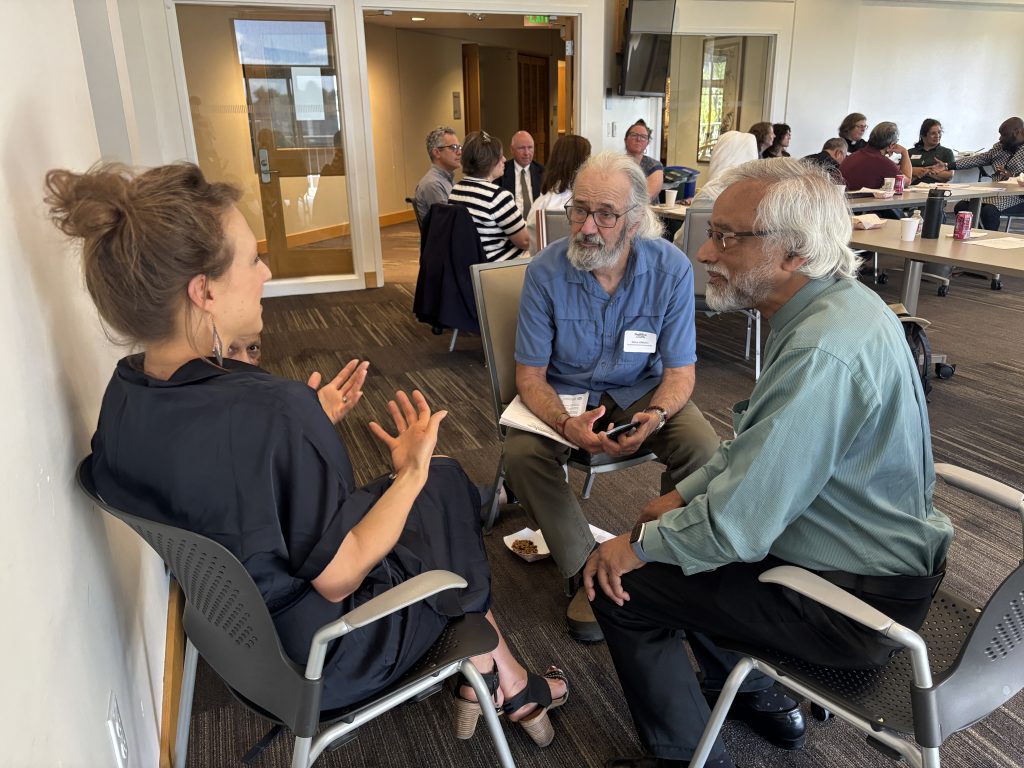
Presenter standing next to a large screen displaying a slide in a conference room, audience seated around a table with laptops and notebooks.

Community members engage in trainings on antisemitism and Jewish identity, facilitated by the Federation’s JCRC in partnership with Project Shema.

Our team worked hard to build relationships with top leaders at Seattle Public Schools and the King County Prosecutor’s Office that made these training sessions possible. So, when the opportunity came to offer expert training, they had confidence and trust that allowed them to say “yes”. Yes to stepping up. Yes to learning. And yes to leading by setting an example for how to recognize and address anti-Jewish bias within their respective fields.

Participants’ feedback revealed powerful insights. Most non-Jewish attendees arrived knowing little about antisemitism. While they were familiar with the general concept, they did not yet understand the historical depth, modern complexity, or how to proactively engage and react when bias occurs.

After the training, they reported a greater understanding of antisemitism, including a decrease in binary views of complex topics. They began to see the nuances of how contemporary antisemitism operates in today’s social and political landscapes. Most inspiring, they were more willing to stand up against antisemitism. This willingness to engage was echoed in follow-up feedback from the trainings for Jewish leaders as well. The post-training feedback shows how education and guidance on how to respond can go a long way to dispelling hate and anti-Jewish bias.

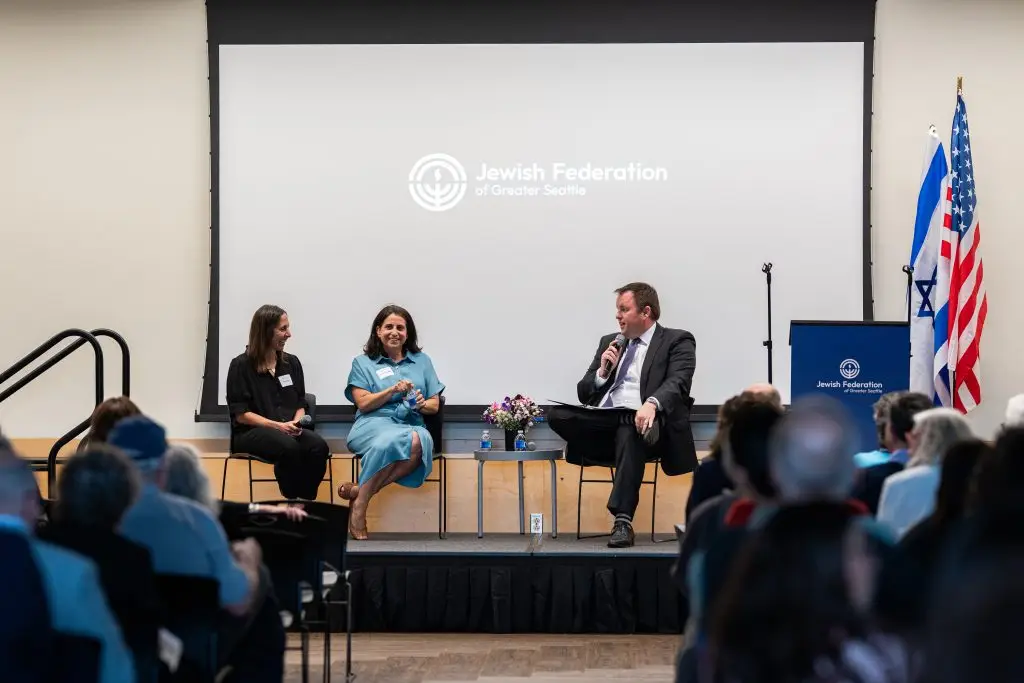
Group of people seated at long tables in a hall, listening to a speaker near a projector screen at the front.

Community members engage in trainings on antisemitism and Jewish identity, facilitated by the Federation’s JCRC in partnership with Project Shema.

American Jews are facing a harsher and more challenging reality than we have experienced in decades. In this environment, Jewish institutions must provide the tools and support systems to help create true safety and belonging. While high-profile strategies like media campaigns, public protest, and litigation often capture headlines, the less visible, relationship-driven work of education and allyship is equally vital. These approaches are crucial for countering antisemitism when it is rooted in ignorance and preventing it from turning into bigotry and discrimination.

We are deeply grateful to the leaders of Seattle Public Schools, the King County Prosecutor’s Office, our Jewish communal partners, and Project Shema for their partnership in this important work. Their efforts are crucial steps to proactively create environments where Jewish people feel included, respected, and safe.

Advocacy News

Subscribe to our Weekly Newsletter